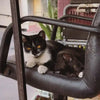
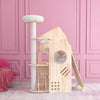
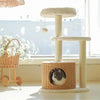
Kedilerin Neden Tezgahlara Atladığını Anlamak Kediler, dikey alanları keşfetme konusunda güçlü içgüdülere sahip, doğal olarak meraklı yaratıklardır. Vahşi doğada yüksek kutuplar güvenlik, av aramak için bir görüş noktası ve rahatsız edilmeden kalabileceğiniz bir yer sunar. Bu içgüdüler ev ortamlarında kaybolmaz. Mutfak tezgahları veya raflar gibi yükseltilmiş yüzeyler uçurumları veya ağaçları simüle ederek kedinize güvenlik ve bölgesel avantaj hissi sağlar. Ayrıca bu bölgelerdeki yiyecek kokuları ve sosyal etkileşim de tüylü kedigillerin tezgahlara sıçramasına neden oluyor. Karşı sörfün geleneksel anlamda kötü bir davranış olmadığını anlamak önemlidir; daha ziyade, bir kedinin kendini güvende hissetme ve çevresini kontrol etme ihtiyacının doğal bir uzantısıdır. Bu davranışın içgüdüsel olduğunu kabul etmek, onu cezalandırmak yerine etkili bir şekilde yönlendirmenize yardımcı olabilir. Sert düzeltme yöntemleri kaygı yaratabilir, güveni azaltabilir ve istenmeyen davranışları potansiyel olarak kötüleştirebilir. Bunun yerine tutarlı ve bilime dayalı çözümlerle temel nedeni ele alın. Kedileri Tezgahtan Uzak Tutmak Neden Önemlidir? Kediniz yeni kuşbakışı manzarasının tadını çıkarırken, bu alışkanlığa izin vermek bazı riskler doğurabilir. Sağlık açısından bakıldığında tezgahlarda hem kediniz hem de eviniz için tehdit oluşturabilecek keskin nesneler, sıcak yüzeyler ve bakteriler bulunur. Bir kedi yakın zamanda kullanılmış veya önceden ısıtılmış bir ocağın üzerine konarsa, hassas pati pedlerinde ciddi yanıklara neden olabilir. Çapraz bulaşma bir diğer önemli sorundur. Kediler çöp kutuları kullanır ve çoğu zaman bakteri parçaları patilerinden yiyecek hazırlama alanlarına aktarılabilir. Bağışıklık sistemi zayıf olan kişiler veya evdeki küçük çocuklar için, kedinin ayak tabanlarından eser miktarda E. coli veya salmonella bile önemli sağlık riskleri oluşturabilir. Bu nedenle kedinizi, kendi güvenliği ve ailenizin hijyeni için tezgahlardan uzak durma konusunda eğitmeniz önemlidir. Karşı Sörfü Önlemeye Yönelik Davranışsal Eğitim Yöntemleri Karşı sörfü önlemek için ödüllendirici tetikleyicileri kaldırarak başlayabilirsiniz. Her kullanımdan sonra tezgahtaki kırıntıları, yiyecekleri veya ilginç kokuları temizleyin. Eğer kediniz on atlamadan bir kez bile bir ödül (tavuk ısırığı gibi) alırsa, muhtemelen aralıklı pekiştirme ilkesi (kanıtlanmış bir psikolojik fenomen) nedeniyle davranışı sürdürmeye devam edecektir. Cezalandırmak yerine olumlu pekiştirmeye odaklanın. Kedinize evin hareketli bölümlerinin yakınında kedi ağaçları veya duvar rafları gibi çekici alternatifler sunun. Tezgah yerine bu onaylanmış direklere tırmandıklarında, onları övgüyle, ikramlarla veya sevişmeyle ödüllendirin. İyi davranışı güçlendirmek için tıklayıcının sesini bir ödülle eşleştiren tıklama eğitimi de yararlı olabilir. Kedileri Tezgahlardan Uzak Tutmak İçin Caydırıcılar ve Araçlar Kullanmak Çeşitli insani caydırıcılar, kedilerin istenmeyen yüzeylere atlamasını engelleyebilir. Bir örnek, tezgahın kenarına çift taraflı bant yerleştirmektir. Kediler yapışkan dokulardan hoşlanmazlar ve genellikle zamanla bu noktalardan kaçınmaya başlarlar. Benzer şekilde, yüzeye alüminyum folyo yerleştirmek onları caydırabilir çünkü çoğu kedi ses ve histen hoşlanmaz. Basınçlı hava kutuları veya zararsız gürültü yapıcılar gibi hareketle etkinleştirilen cihazlar, kedileri onlara zarar vermeden korkutabilir. Zamanla kediler tezgahın üzerine atlamayı hoş olmayan ama güvenli bir sonuçla ilişkilendirir ve bu da davranışsal öğrenmeye yol açar. Ancak bu tür cihazlar hiçbir zaman tek yönteminiz olmamalıdır; çevresel zenginleştirme ve pozitif güçlendirme ile birlikte kullanıldıklarında en iyi şekilde çalışırlar. Dikey Keşif için Zenginleştirme Alternatifleri Sunmak Kediler güvenlik, uyarım ve gözlem için dikey yükseklik ararlar, bu nedenle tezgahlarınızdan daha çekici alternatifler sunmak önemlidir. En iyi çözümler, kedi ağaçları, duvara monte basamaklar ve pencere tünekleri gibi özel **kedi mobilyalarıdır**. Bunlar kedinize sadece arzuladığı yüksekliği vermekle kalmaz, aynı zamanda onu sağlıklı bir şekilde meşgul eder ve uyarılmasını sağlar. Birçok kedi insanlarına yakın olmak için mutfak tezgahlarına atladığından, bu eşyaları stratejik olarak ailenin zaman geçirdiği önemli alanların yakınına yerleştirin. Onlara yakın, olumlu ilişkileri olan yüksek bir yer verirseniz, yasak yüzeyleri arama olasılıkları azalır. Bazı kediler ayrıca zihinlerini meşgul eden ve eğlence için sayaçları dolaşma dürtüsünü azaltan etkileşimli oyuncaklardan veya bulmaca besleyicilerden de hoşlanırlar. Davranış Değiştirmede Tutarlılık ve Sabır Karşı sörf gibi köklü bir davranışı değiştirmek **tutarlılık** ve bağlılık gerektirir. Evinizdeki herkes aynı kurallara uymak zorundadır. Bazen davranışı görmezden gelmek ve diğerlerinde düzeltmek gibi karışık sinyaller, kedinizin kafasını karıştırmaktan başka bir işe yaramaz ve eğitim sürecini uzatır. Zaman ve durum ne olursa olsun sayaçların her zaman yasak olduğundan emin olun. Özellikle köklü alışkanlıklara sahip yaşlı kediler için ilerleme yavaş gelebilir, ancak sabır ve adım adım yaklaşımla olumlu değişim başarılabilir. Tutarlı yönlendirme, alternatiflere yönelik uygun teşvik ve evcil hayvan ebeveyninin sakin tavrı, uzun vadeli başarıya doğru uzun bir yol kat eder. Unutmayın, daha iyi bir ev uyumu oluştururken kedinizin kendini güvende hissetmesine yardımcı oluyorsunuz. Sonuç: Yaygın Bir Kedi Sorununa Dengeli Bir Yaklaşım Tezgahların üzerinden atlayan kediler, doğal kedi davranışlarından kaynaklanan yaygın bir sorundur. Evcil hayvan sahipleri cezalandırmak veya azarlamak yerine, çevresel değişikliklere ve davranışsal eğitime dayalı uzun vadeli çözümler aramalıdır. **Karşı sörfün** temel nedenini (yemek motivasyonu, sosyal bağ veya içgüdüsel keşif) ele almak, tek başına kısa vadeli caydırıcılardan daha fazla başarı sunar. Yiyecek teşviklerini kaldırmak, zenginleştirilmiş ortamlar sunmak ve uyumlu davranışları eğitmek gibi birden fazla stratejiyi birleştirerek **kedilerinizi tezgahlardan** etkili bir şekilde uzak tutabilirsiniz. Sabırlı olun, tutarlı kalın ve süreç boyunca daima evcil hayvanınızın fiziksel ve duygusal ihtiyaçlarını göz önünde bulundurun. Zamanla ve anlayışla, kedi arkadaşınızla daha huzurlu (ve daha hijyenik) bir ortak alanın keyfini çıkaracaksınız.